
Course Overview
About MSc Nutrition & Dietetics
MSc Nutrition & Dietetics at MIT University Sikkim is a 2-year postgraduate degree deepening specialisation in nutrition & dietetics. It builds advanced theory, research capability and applied expertise beyond the undergraduate level.
A Master's is where you move from competent practitioner to specialist. It opens senior clinical or technical roles, teaching, and research, and is often the platform for a PhD. This programme concentrates on advanced nutrition & dietetics.
- Relevant graduates specialising in nutrition & dietetics
- Practitioners seeking senior or teaching roles
- People building research capability
- Anyone aiming at a PhD in the field
- A syllabus written for MSc Nutrition & Dietetics, not a shared template
- Every fee component itemised — ₹1,30,000 total, nothing hidden
- Direct admission — no entrance test required
- An honest career section that names its sources and its limits
At a Glance
MSc Nutrition & Dietetics — course highlights
| Course name | MSc Nutrition & Dietetics |
| Level | PG Degree |
| Duration | 2 Yrs · 4 Sem |
| Eligibility | Relevant graduation |
| Entrance test | Not required — direct admission |
| Study mode | Regular (campus) |
| Total fee | ₹1,30,000 for the full programme |
| University | MIT University Sikkim · Act No. 11 of 2024 · UGC 2(f) |
| Session | 2026–27 |
Why This Course
Why choose MSc Nutrition & Dietetics?
Here is what this programme gives you, and where the real work sits — written plainly, without guarantees.
The 4-part programme is specific to MSc Nutrition & Dietetics — advanced nutrition & dietetics i through to advanced practice, not a generic template.
The course maps to concrete starting roles such as Senior Nutrition Specialist in settings like hospitals, clinics and specialist centres.
Every charge is itemised — the 2 yrs total is ₹1,30,000, with no hidden components.
A ready route onward to PhD in the specialisation for those who want to specialise further.
Ready to start your MSc Nutrition & Dietetics journey?
Speak to an admission counsellor and get the prospectus for the 2026–27 session.
Study Modes
Study modes for MSc Nutrition & Dietetics
This programme is offered in Regular (campus) mode. This programme is built around regular, campus-based study. The mode you choose materially affects the practical, project and supervision components — and, for some fields, whether the qualification is accepted at all.
The full programme as designed — classes, practical or studio/lab work, direct faculty contact and in-person project supervision.
Theory delivered remotely with high flexibility; practical and supervision components are limited. Verify approval and acceptance carefully before choosing.
Maximum flexibility and lowest cost, but minimal practical exposure and supervision. Verify approval and acceptance carefully before choosing.
For a practical, hands-on field, campus study gives the strongest learning and the least ambiguity on acceptance. Choose another mode only after confirming it is approved for this specific programme.
The University
About MIT University Sikkim
MIT University Sikkim is a State Private University established under Act No. 11 of 2024 of the Sikkim Legislative Assembly and is covered under the national higher-education framework applicable to universities established under State Acts. The university has UGC recognition under Section 2(f) of the UGC Act, 1956, according to the information cited for the institution. UGC states that a statutory university can award degrees specified under Section 22 of the UGC Act, subject to the applicable regulations and approvals of the competent statutory bodies. MIT University Sikkim is also a member of the Association of Indian Universities (AIU).
The university has also initiated the process for NAAC assessment and accreditation. NAAC accreditation should, however, be distinguished from university recognition: accreditation is an institutional quality-assessment process and is not itself the basis for a university's legal status. MIT University Sikkim offers undergraduate, postgraduate, diploma and doctoral programmes across a range of disciplines, with a focus on practical, industry-oriented learning.
Please verify the latest details with MIT University Sikkim for campus facilities, laboratories, library and department-specific information for this programme.
Outcomes & Benefits
What this degree gives you
By the end of the programme you gain field-specific knowledge, practical ability, and a recognised degree that opens career and higher-study paths.
Master of Science (MSc) from a UGC 2(f) State Private University — a qualification you can verify.
Practical ability in advanced nutrition & dietetics, research methodology, specialised techniques — used directly in allied-health & clinical support roles roles.
The full ₹1,30,000 is broken down year by year, so you can plan before you commit.
A clear path to PhD in the specialisation and beyond.
Academic advantages
- Recognised statutory university
- Structured semester progression
- Practical / project component
- Field-relevant specialisation
Career directions
- Senior Nutrition Specialist
- Lecturer / Academic
- PhD in the specialisation
- Research & allied roles
Eligibility & Duration
Who can apply & how long it takes
- Relevant graduation
- Minimum %: as per university norms
- Relevant subject background where specified
- Entrance test / interview: as per university norms
- 2 Yrs · 4 Sem
- Structured semester-by-semester progression
- Practical / project components through the programme
- Final-year project, dissertation or internship where applicable
Fees
Complete fee structure
Every charge for MSc Nutrition & Dietetics is listed below, exactly as provided. One-time charges apply only in the first year; recurring charges repeat each year. No hidden components.
| Fee component | Type | Amount |
|---|---|---|
| Tuition Fee (per year) | Recurring | ₹60,000 |
| Development Fee | One-Time | ₹3,000 |
| Application / Enrollment Fee | One-Time | ₹500 |
| Registration Fee | One-Time | ₹1,500 |
| Re-Registration Fee (from Year 2) | Recurring | ₹1,000 |
| Examination Fee (per year) | Recurring | ₹2,000 |
Year-wise payable fee
| Academic year | Includes | Payable |
|---|---|---|
| 1st Year | Tuition + Development + Application + Registration + Exam | ₹67,000 |
| 2nd Year | Tuition + Re-Registration + Exam | ₹63,000 |
| Total Programme Fee | Full 2 years cost | ₹1,30,000 |
Both charts below are built only from the two official fee tables on this page. Nothing is estimated.
Year-wise payable amount
What the ₹1,30,000 is made of
- Tuition92.3%
- Examination3.1%
- One-time charges (Year 1 only)3.8%
- Re-registration0.8%
(4 semesters)
across 24 months
and hidden charges listed
Prospectus fee: not applicable. Hostel, transport, scholarships or any other charges (if applicable): please verify with the university.
Admission 2026–27
MSc Nutrition & Dietetics admission — dates, process and what happens next
Everything about applying, in one place. Admission is rolling and seats are allotted subject to availability — applying earlier means your documents are verified earlier, not that your place is guaranteed.
The six steps, start to finish
Application
Submit the short application form on this page.
Document verification
Upload and submit your required documents.
Eligibility check
The university confirms your eligibility (Relevant graduation).
Registration
Complete formal registration for the programme.
Fee payment
Pay the applicable first-year fee to confirm your seat.
Admission confirmation
Receive your student ID and admission details.
- A counsellor contacts you within 24 working hours
- You receive the prospectus and the document checklist
- The university verifies your eligibility (Relevant graduation)
- On approval, you complete registration and pay the first-year fee
- You receive your student ID and admission confirmation
- It does not reserve or hold a seat for you
- It does not guarantee admission — eligibility is verified by the university
- It does not promise any job, salary or placement
- It does not replace the official prospectus
Documents required
Admission information on this page was last checked on 23 August 2026. Dates, process and document requirements may change — always confirm with MIT University Sikkim before acting.
Approval & Recognition
Is my degree valid?
Yes. Your MSc Nutrition & Dietetics degree is awarded by MIT University Sikkim, a UGC-recognised university. A degree from a UGC-recognised university can be used for jobs, higher education and competitive exams — subject to the rules of the recruiting or admitting authority.
- Awarded by a statutory university recognised under Section 2(f) of the UGC Act, 1956.
- Follows university assessment — assignments, examinations, practicals and projects where applicable.
- Usable for higher study (MSc, M.Phil, PhD) as per each programme's own eligibility rules.
- Confirm the study mode and current recognition before admission.
Is MIT University Sikkim valid?
Yes. MIT University Sikkim is a State Private University legally established under Act No. 11 of 2024 of the Sikkim Legislative Assembly, with UGC recognition under Section 2(f) (UGC notification dated 30 September 2025). This gives it the legal authority to run programmes and award degrees.
- Legally established by a State Act, with approval from the Government of Sikkim.
- UGC-recognised under Section 2(f) — verify on ugc.gov.in.
- Member of the Association of Indian Universities (AIU).
Subjects & Syllabus
Semester-wise syllabus
Key subjects you will study
The core subject areas covered across the programme — at a glance, before the semester-wise table.
| Semester | Core subjects / learning areas |
|---|---|
| Semester 1 | Advanced Nutrition & Dietetics I · Research Methodology · Biostatistics · Practical / Seminar |
| Semester 2 | Advanced Nutrition & Dietetics II · Specialised Techniques · Applied Practice · Practical |
| Semester 3 | Specialised Nutrition & Dietetics · Field / Clinical Work · Elective · Seminar |
| Semester 4 | Advanced Practice · Dissertation / Thesis · Professional Practice |
Skills you will gain
Academic Progression
How the 2 years work
The programme moves in stages from foundations to specialisation, with practical work throughout and a project or dissertation toward the end.
You begin with the essentials — Advanced Nutrition & Dietetics I, Research Methodology, Biostatistics, Practical / Seminar — that everything later builds on.
The middle of the programme is the heart of the field — for example Specialised Nutrition & Dietetics, Field / Clinical Work, Elective, Seminar.
You finish with applied work and a capstone — Advanced Practice, Dissertation / Thesis, Professional Practice.
Career After MSc Nutrition & Dietetics
Jobs, roles & where you can work
After this programme, graduates can explore roles connected to allied-health & clinical support roles. Outcomes depend on skills, experience, location, employer requirements and any further qualification or registration required for specialised roles.
| Job role | Key responsibility | Common sector |
|---|---|---|
| Senior Nutrition Specialist | Advanced practice in nutrition & dietetics | Hospitals, institutions, industry |
| Lecturer / Academic | Teaches at college level | Colleges, universities |
| Research Associate | Conducts research and analysis | Research bodies, universities |
| Specialist / Consultant | Senior applied or advisory role | Sector-specific organisations |
Hiring sectors
- Hospitals, clinics & specialist centres
- Colleges & universities
- Research institutes
- Industry & sector organisations
- Consultancy & independent practice
Higher education
- PhD in the specialisation
- Advanced fellowships & certifications
- Academic and research careers
- Senior professional roles
This section describes possible roles and pathways only. It does not promise any job, salary or placement.
Demand & Growth Trends
Career demand, skills and growth trends
Allied-health roles sit inside the fastest-growing sector of the reference economy. The published projections below name their source and year. They describe a field, not a guarantee for any individual.
The United States publishes the most detailed long-run occupational projections available, so it is used here as a reference market. These are US figures and do not describe the Indian job market.
The skills listed in the syllabus section map to specific tasks employers in this field expect. Each row below connects a skill to where it is actually used.
This programme is one step on a path. The timeline below shows where it sits and what typically comes next.
- Now · 2 Yrs · 4 SemMSc Nutrition & DieteticsYour current step — a 2-year msc in nutrition & dietetics.
- NextPhD in the specialisationThe usual next qualification for those specialising further.
- After thatAdvanced fellowships & certificationsAdvanced or research-level progression in the field.
- Long termSenior professional rolesSenior practice, teaching or research, depending on your path.
This section is informational. Neither MIT University Sikkim nor this page promises any job, salary, placement or licence.
Global & Indian Market Trends
Country-wise market trends for allied-health & clinical support roles
Allied-health roles are counted inside the wider global health workforce, which the WHO tracks through its National Health Workforce Accounts. The charts below use that published data and name source and year.
Allied-health staff are part of the health workforce the WHO monitors. These are the published global figures.
Source: World Health Organization National Health Workforce Accounts, 2020 stock and 2030 projections. Covers all health occupations, not one role.The same dataset shows how unevenly that workforce is distributed — the number that matters most when deciding where to train and work.
After Graduation
What you can study next
This qualification opens the next stage of study for those who want to specialise further or move toward senior and research roles.
- PhD in the specialisation
- Advanced fellowships & certifications
- Academic and research careers
- Specialised certifications in the field
- Competitive exams for government roles
- Professional registration where required
- Independent or entrepreneurial practice
Note: eligibility for each further programme depends on that programme's own rules. Confirm current requirements with the university or relevant authority.
Compare & Decide
MIT University Sikkim vs other options
A neutral, category-based comparison to help you weigh your choices for MSc Nutrition & Dietetics. It does not name or make claims about any specific competitor, and includes no invented fee figures — always confirm fees and recognition with each university.
A green tick means the point is documented and stated on this page. An amber question mark means it changes from university to university — you must verify it before you apply. This is deliberately not a scorecard: it is a checklist.
| Factor | MIT University Sikkim | Other private university | Distance university |
|---|---|---|---|
| University status | ✓State Private University, Act 11 of 2024 | ?Varies — verify | ?Varies — verify |
| Recognition | ✓UGC Section 2(f) | ?Check individually | ?Check DEB / UGC list |
| Fee transparency | ✓Every component itemised here | ?Varies | ?Varies |
| Campus & practical training | ✓Namchi, Sikkim — regular mode | ?Varies | –Often limited |
| Admission process | ✓Direct application, no entrance test | ?Varies | ?Varies |
| Higher study at same university | ✓Available in several fields | ?Varies | ?Varies |
Choose Wisely
How to compare universities
Before choosing any university, check these seven things and confirm each from official sources. Use it as a checklist for MIT University Sikkim and any other option.
Is it statutory and UGC-recognised? Verify on ugc.gov.in and check AIU status for equivalence.
Does the syllabus match your goal? Check subjects, practicals, projects and how current the scheme is.
Is the full fee itemised — tuition, exam, development, one-time vs recurring? Watch for hidden charges.
Are faculty qualified and available for the subject? Ask about student–faculty support.
Labs, library and campus resources relevant to your course — important for practical subjects.
Realistic career paths and higher-study options — without any guaranteed-job claims.
Which Mode Is Right For You?
Regular vs Online vs Distance
A factual comparison of the three modes. No single mode is universally better. MSc Nutrition & Dietetics at MIT University Sikkim is offered in Regular (campus) mode.
| Point | Regular | Online | Distance |
|---|---|---|---|
| Campus attendance | Required | Not required | Minimal |
| Practical / studio / lab work | Core of the course | Limited | Very limited |
| Faculty interaction | Direct | Online | Limited |
| Project supervision | Direct, in person | Online | Limited |
| Flexibility | Fixed timetable | High | High |
| Higher studies progression | No mode restriction | Depends on rules | Depends on rules |
| Fee level | Higher (full campus) | Medium | Low |
| Employer / registration acceptance | Standard | Verify carefully | Verify carefully |
Each row turns the table above into a filled meter so you can see the shape of each mode instantly. More filled blocks means more of that factor — not "better". Read them against your own situation.
For a practical, hands-on field, campus study and direct supervision are worth weighing carefully when you choose a mode.
Understanding the Fee
Why is the fee higher?
The fee should be compared with similar Regular Degree programmes — not directly with Online or Distance courses. A Regular degree includes structured academic learning, university facilities, faculty interaction, practical exposure and other academic requirements, and these shape its cost.
The fee charged for this programme is based on the applicable fee structure approved by the competent authority. Students should always verify the latest approved fee and recognition status from official sources before admission.
Online and Distance programmes may have lower fees because their delivery model and academic requirements are different. A Regular Degree should therefore be compared with other Regular Degree programmes — on recognition, curriculum, facilities, academic support, practical learning and total cost.
Make a Confident Decision
Is this course right for you?
This course may suit you if…
- You meet the relevant graduation eligibility
- You are genuinely interested in allied-health & clinical support roles
- You want a recognised, fee-transparent programme
- You are comfortable with regular campus study
- You plan to build toward the higher qualifications in this field
You may consider alternatives if…
- You do not meet the eligibility requirements
- Your goal is unrelated to allied-health & clinical support roles
- You need a study mode the university does not offer
- You expect a guaranteed job or licence from the degree alone
News & Media Coverage
MIT University Sikkim in the news
Independent coverage of the university's establishment and UGC recognition from mainstream outlets. These are external news websites — opening a card takes you to the outlet's own page.






MIT University Sikkim established by the Government of Sikkim, offering industry-focused education.
Read the article ↗ Business StandardMIT University Sikkim receives UGC recognition; opens admissions for UG, PG and PhD programmes.
Read the article ↗ The PrintMIT University Sikkim 2026 admissions: establishment, UGC recognition and NAAC status explained.
Read the article ↗ The TribuneMIT University Sikkim 2026 admissions: what students should verify before applying.
Read the article ↗ ANI NewsMIT University Sikkim: statutory establishment under Act No. 11 of 2024 and UGC recognition.
Read the article ↗ Outlook BusinessMIT University Sikkim introduces UGC-compliant programmes aligned with NEP 2020 for evolving career demands.
Read the article ↗Coverage is provided by the respective outlets. Always verify current recognition and admission details on the official university website and at ugc.gov.in.
Your Questions
MSc Nutrition & Dietetics 2026 — FAQs
What is the eligibility for MSc Nutrition & Dietetics?
What is the total fee?
How does this MSc help my career?
What can I study after MSc Nutrition & Dietetics?
Is MIT University Sikkim recognised?
See The Campus
University Gallery
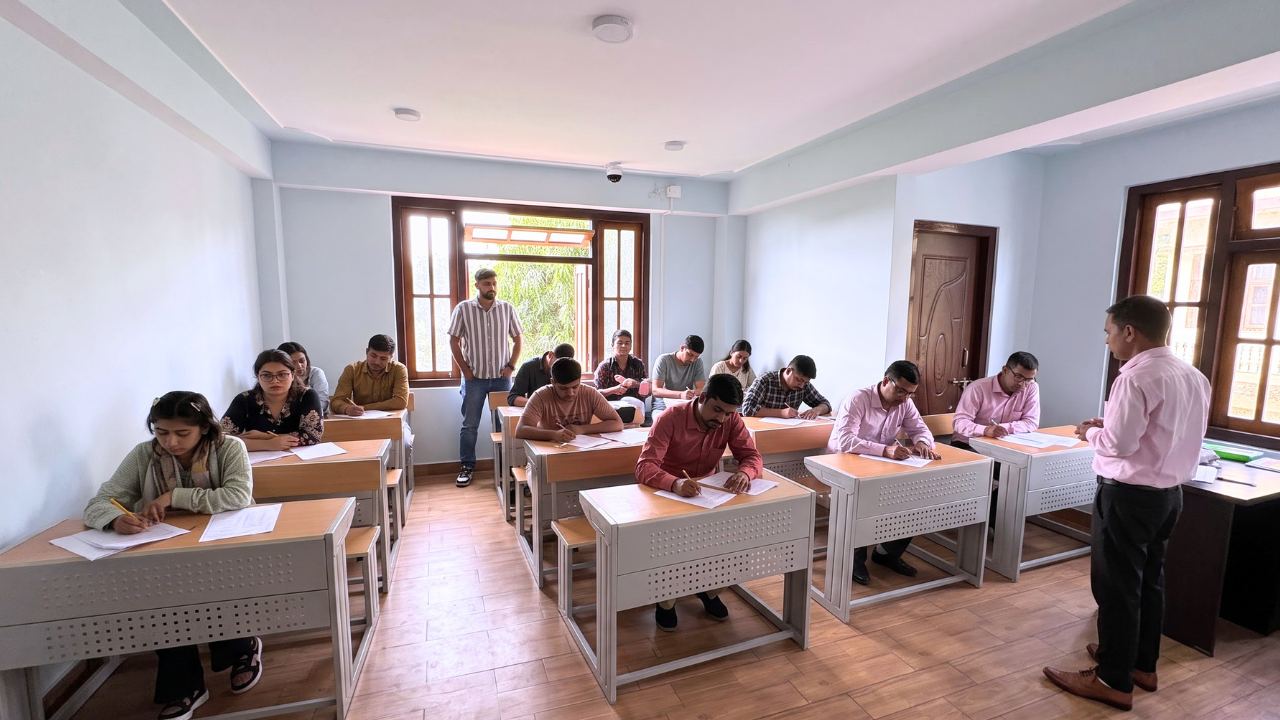
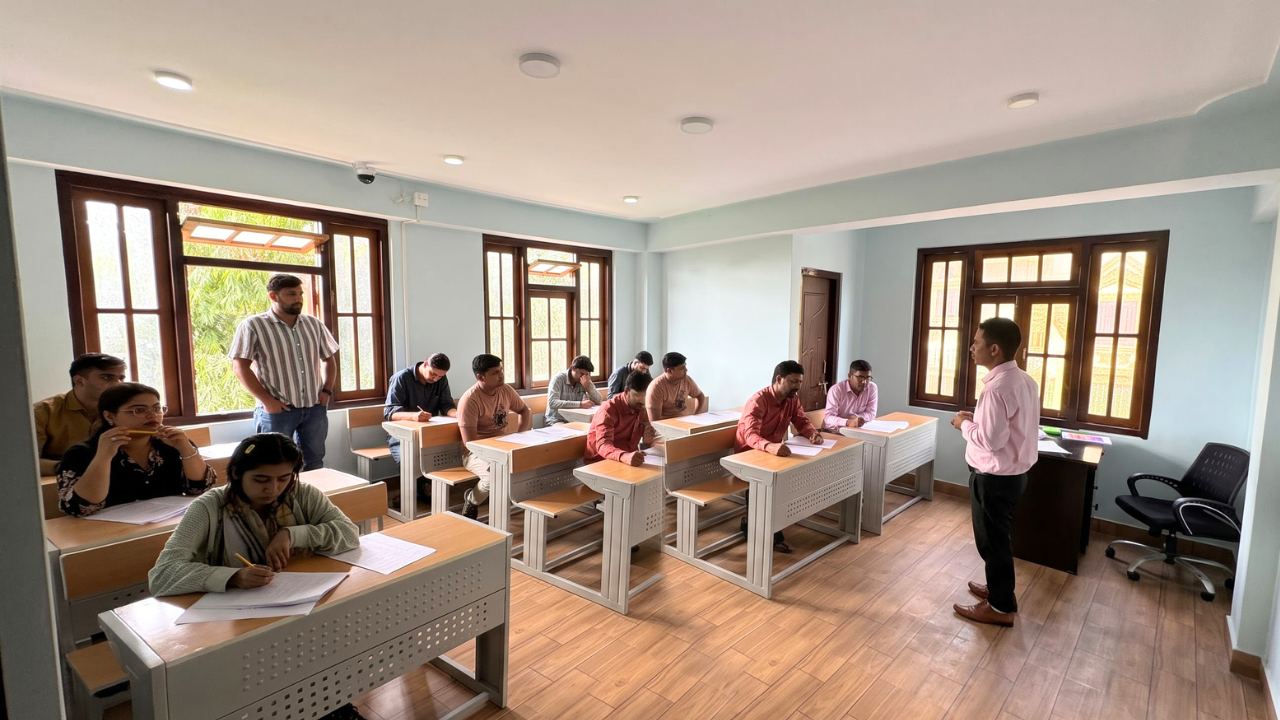
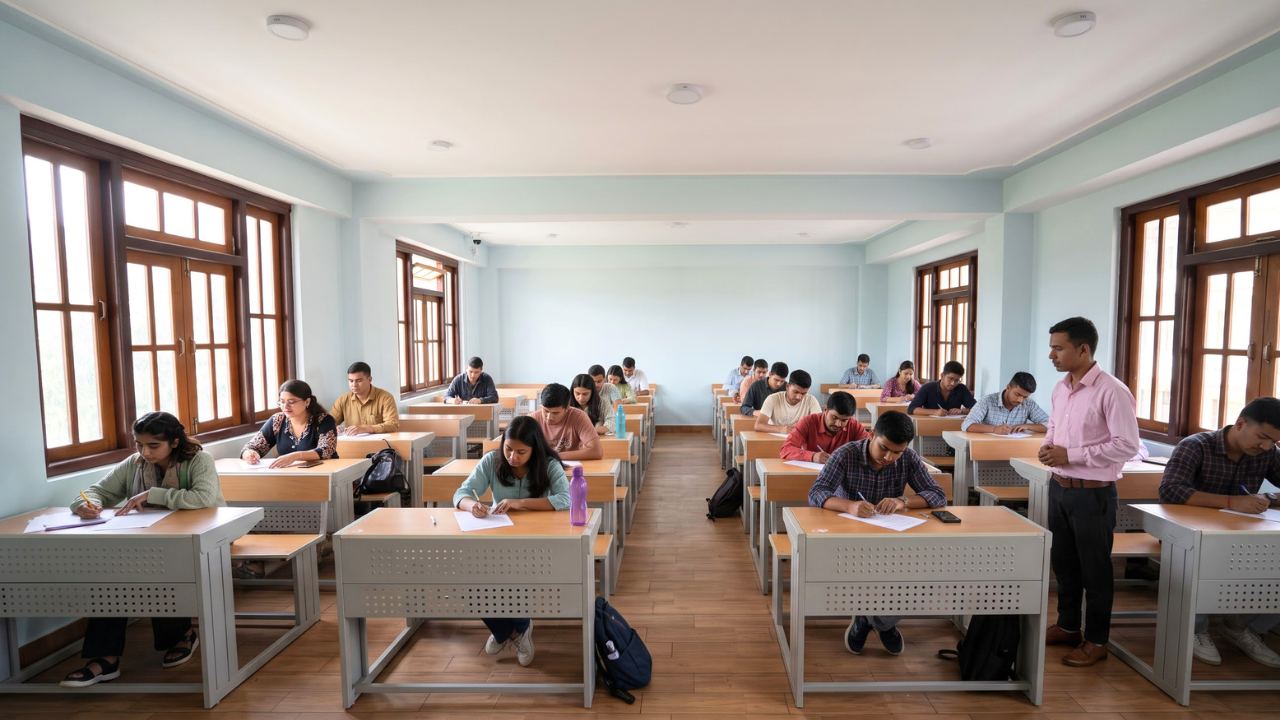
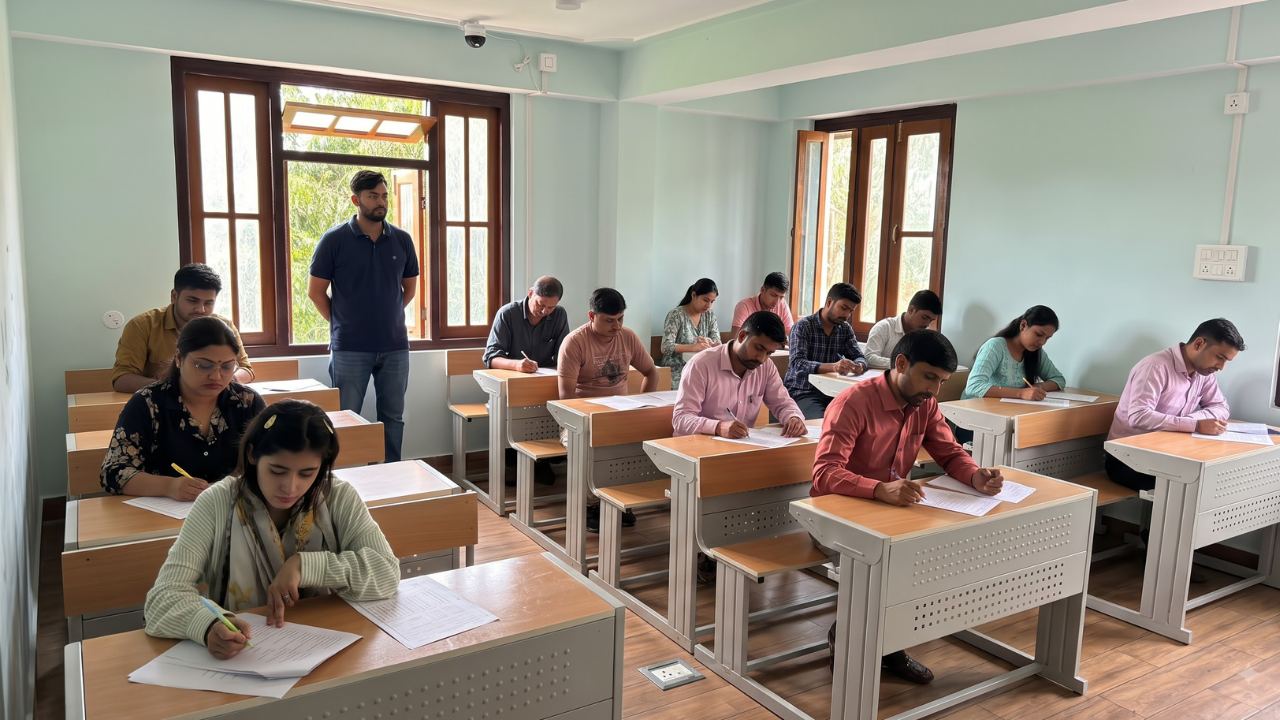
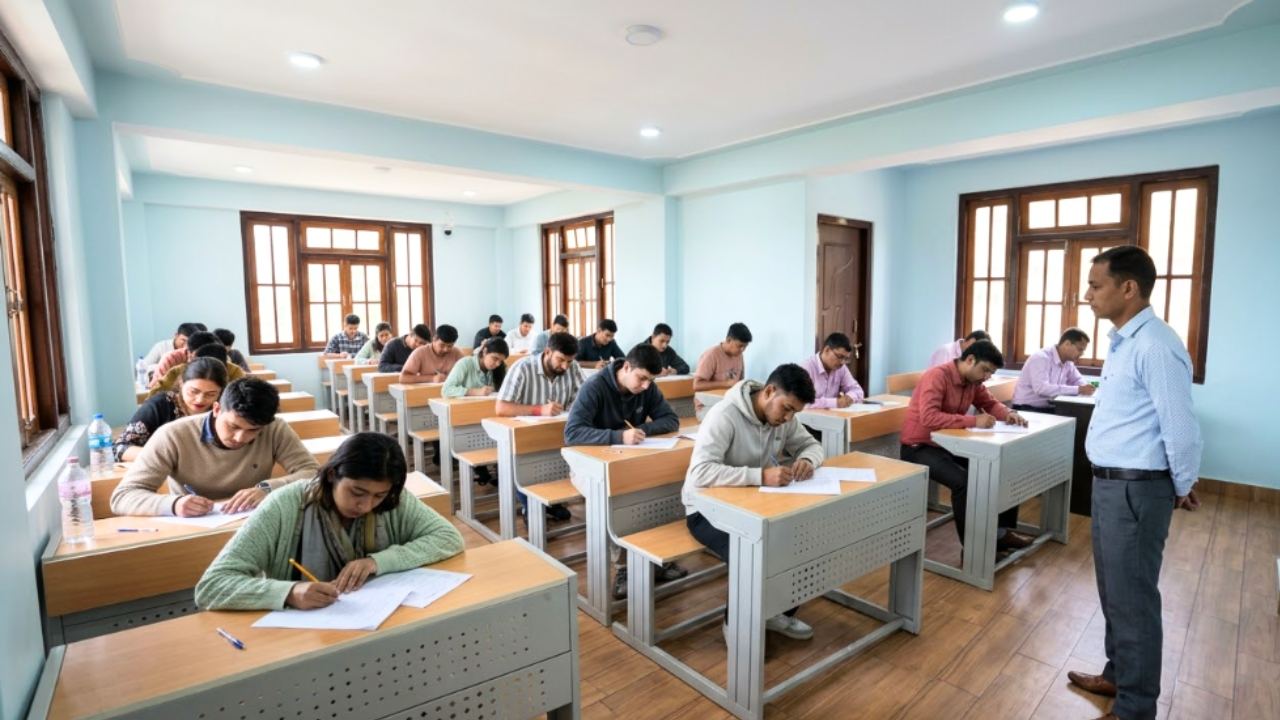
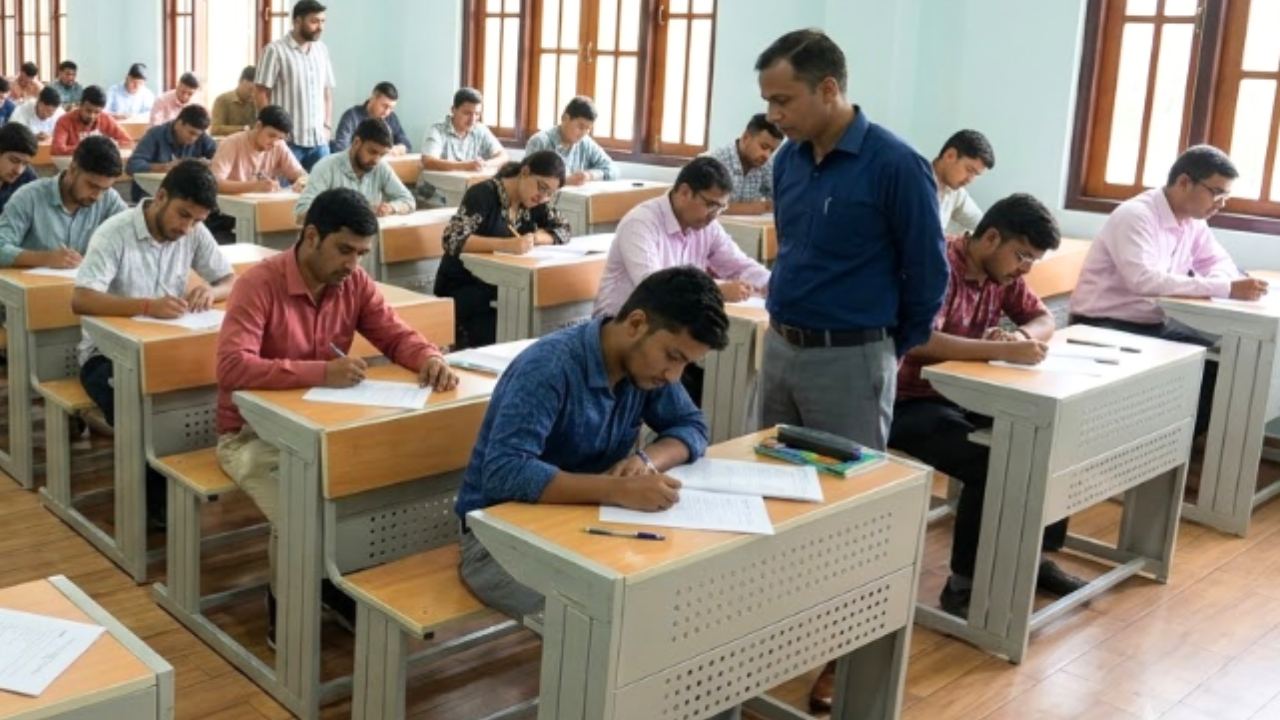
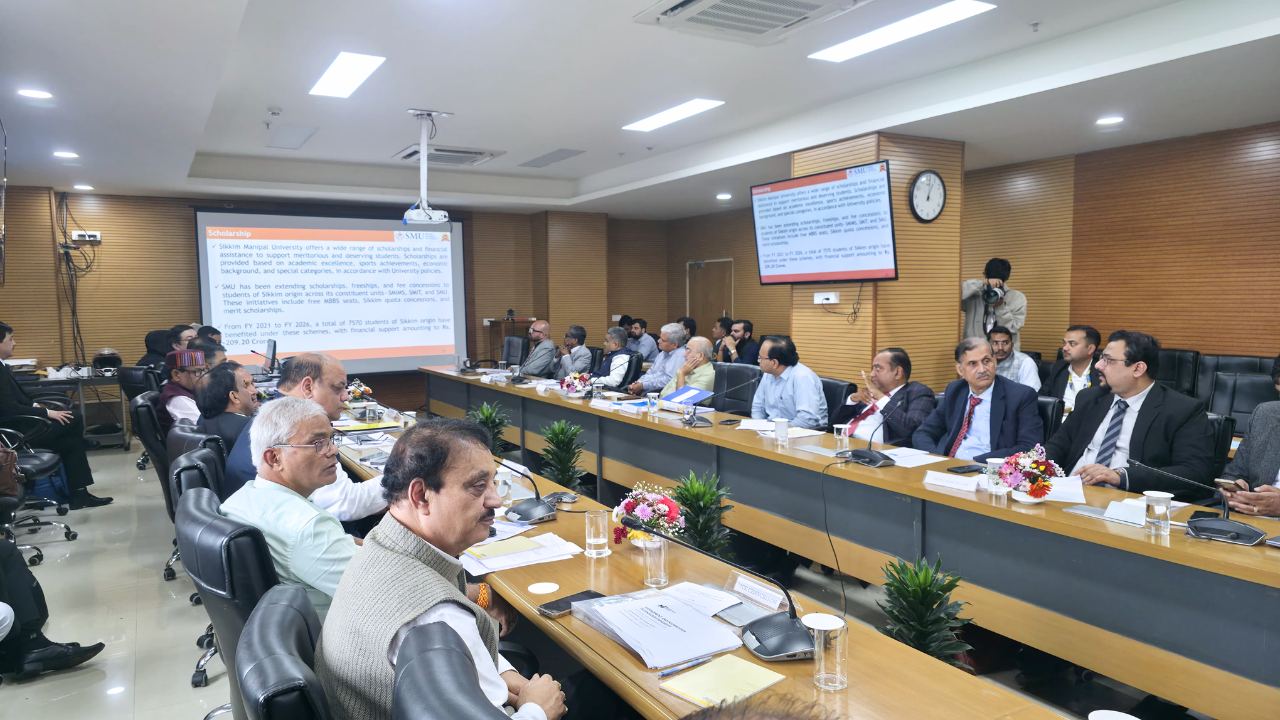
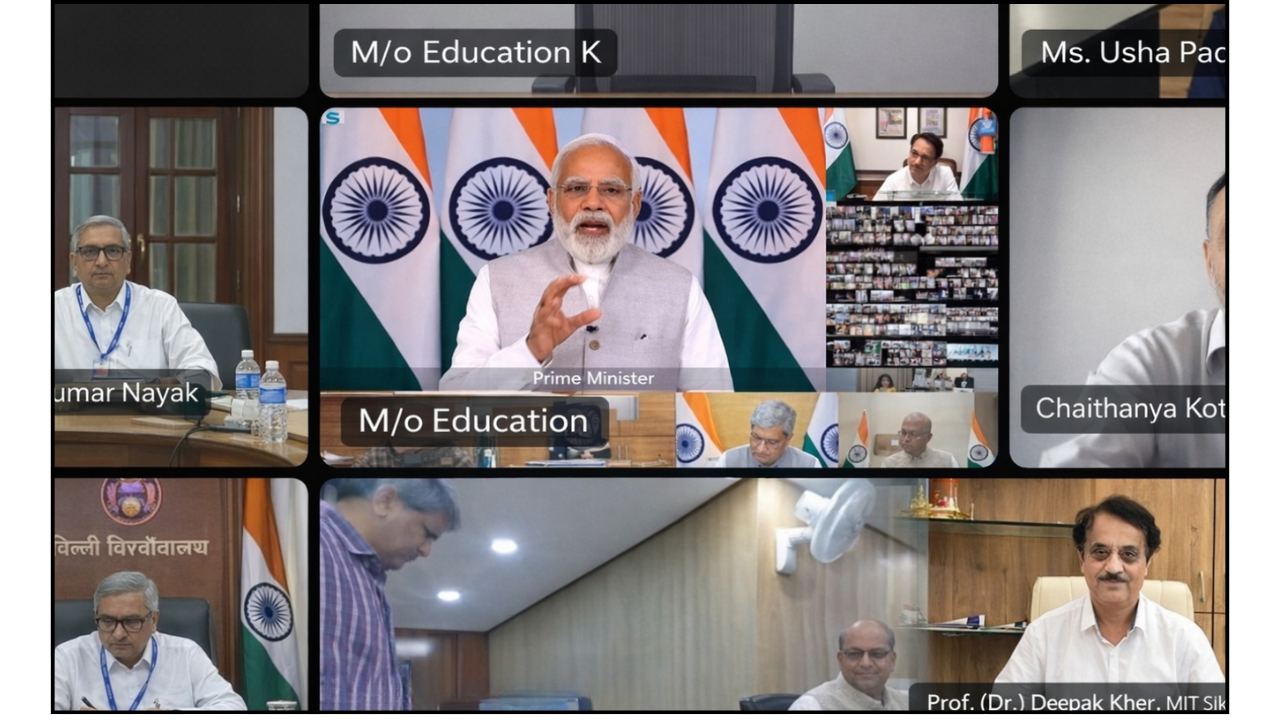
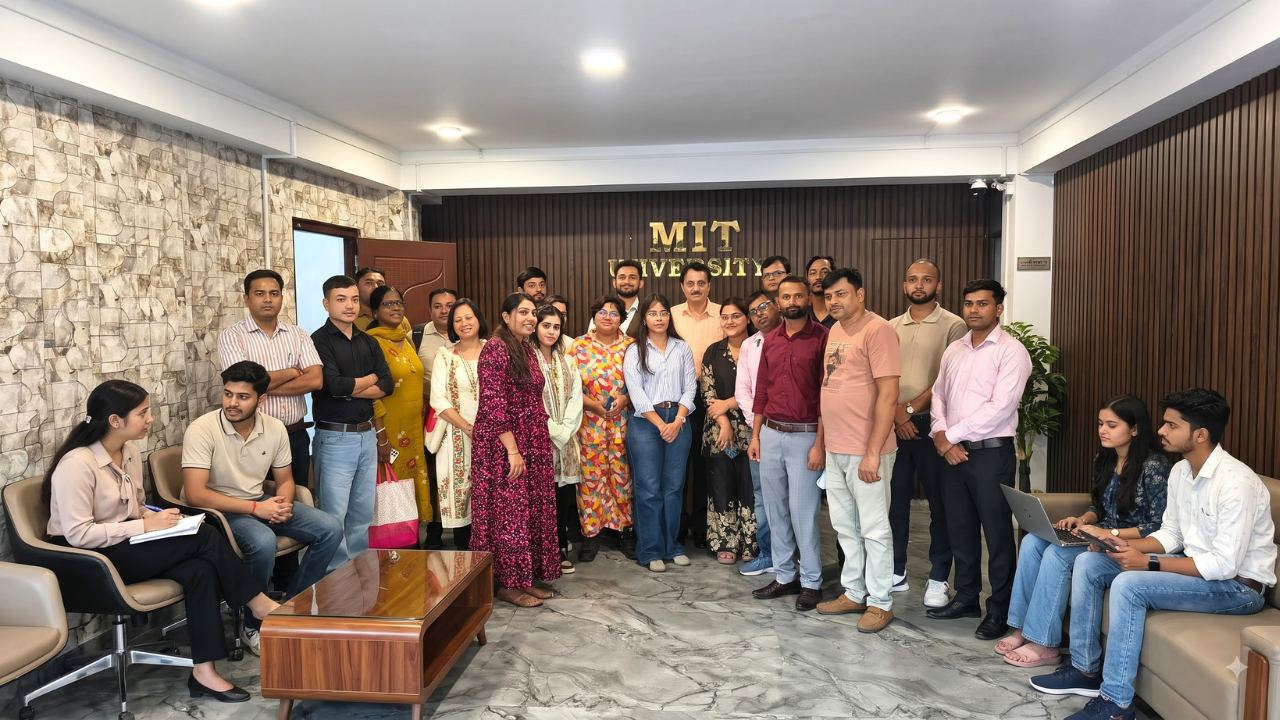
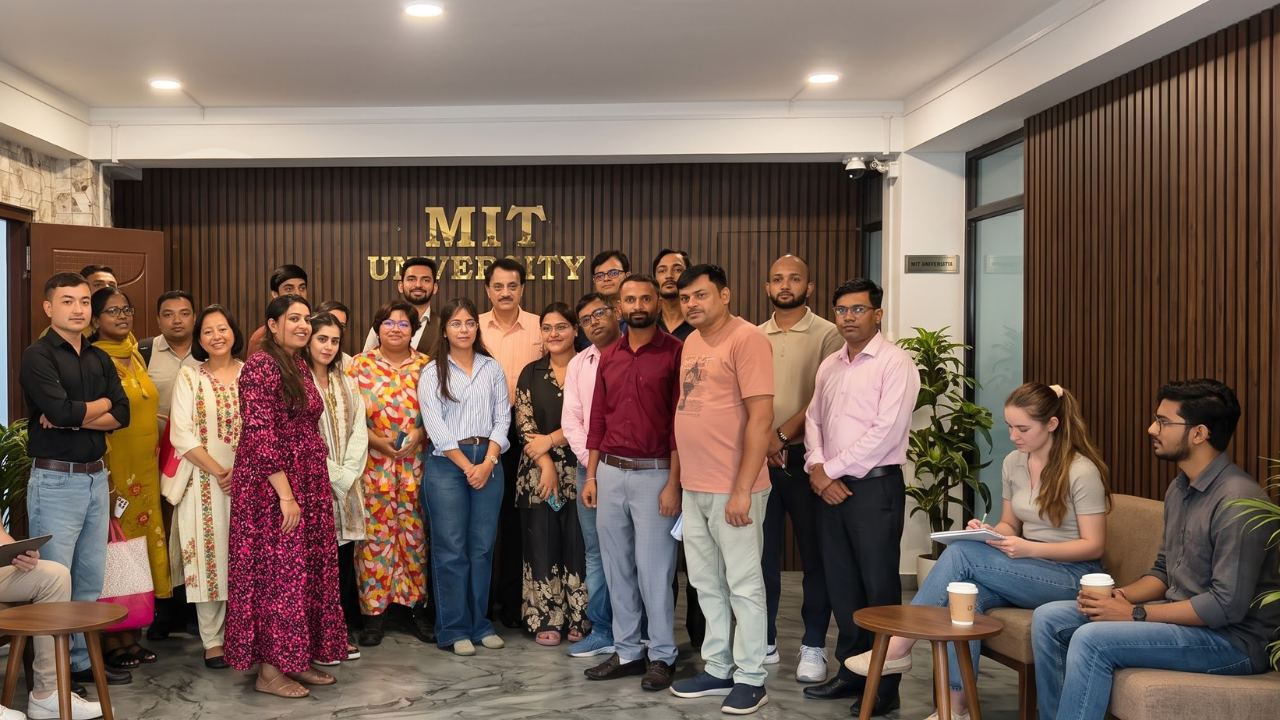
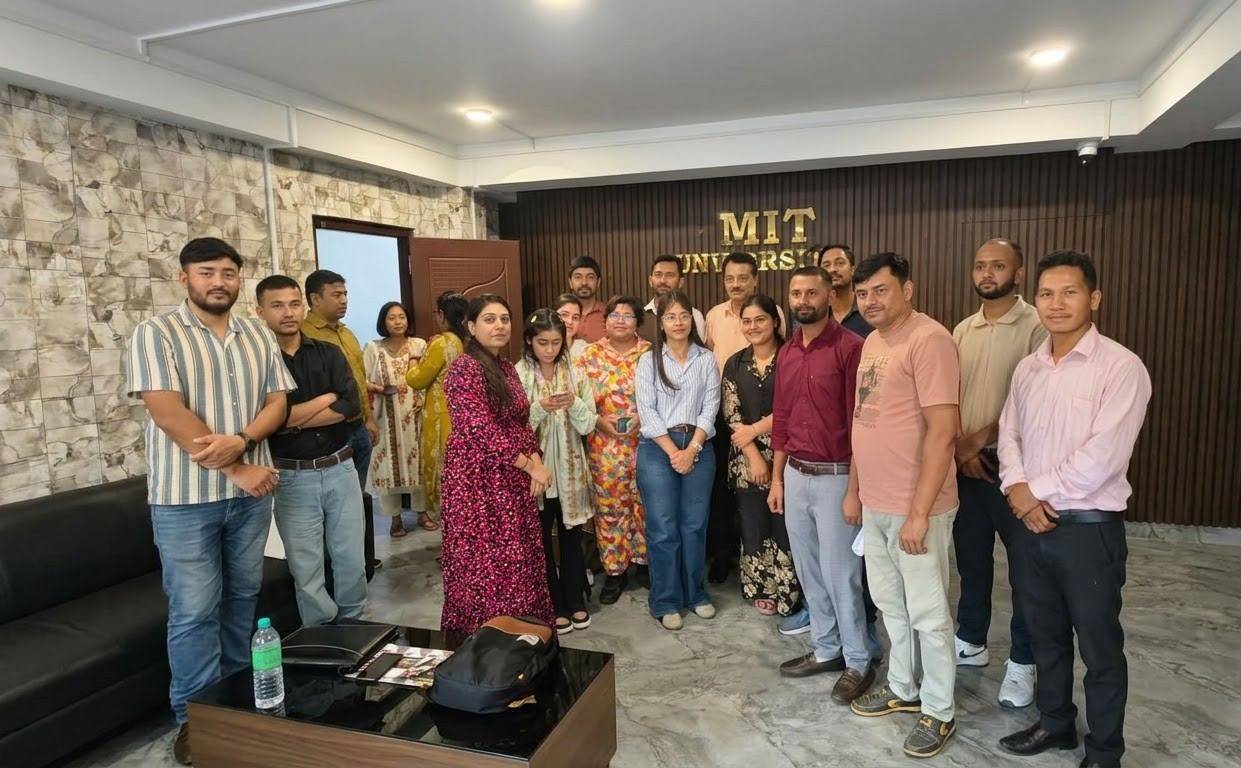
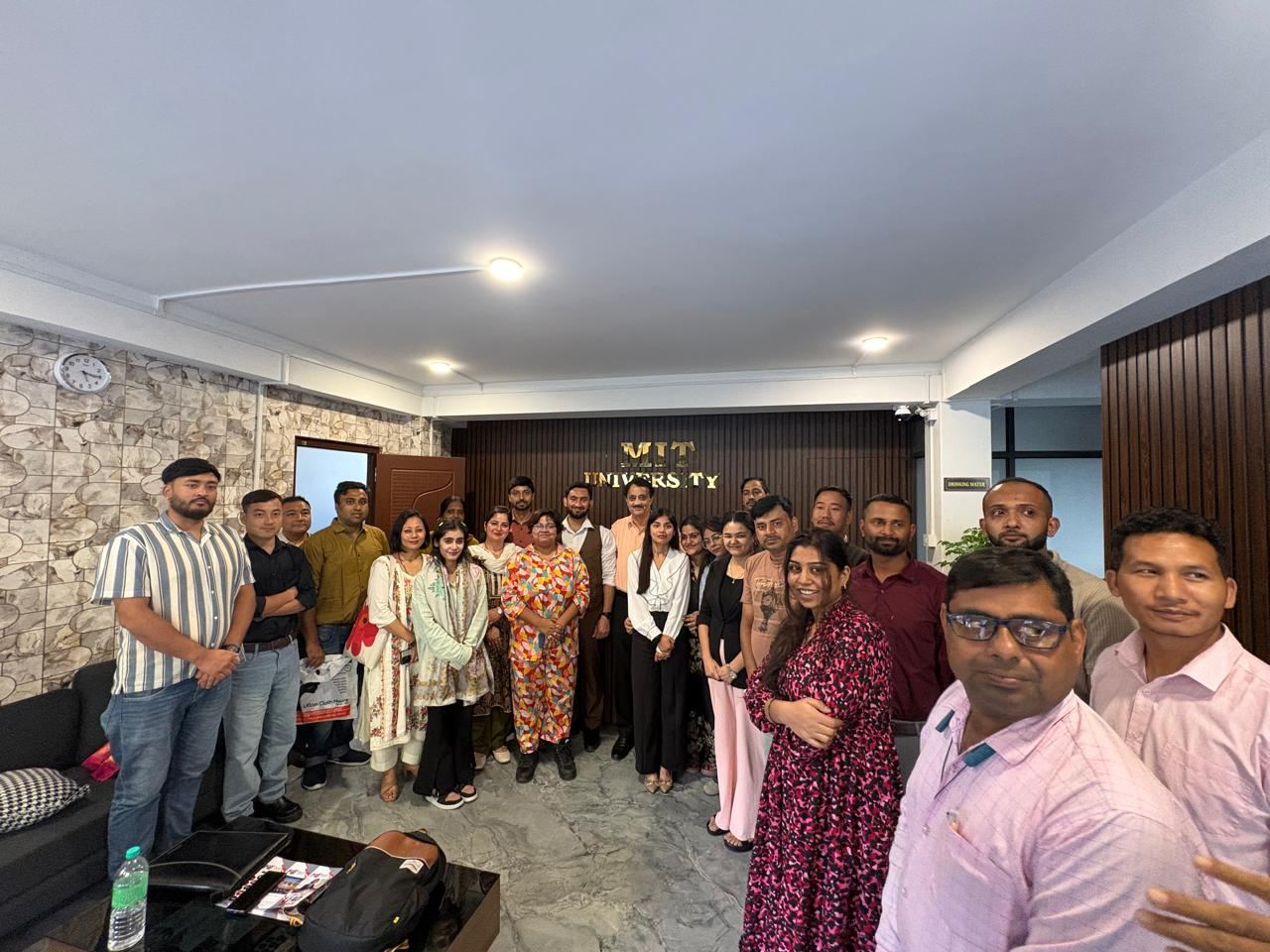
A look inside MIT University Sikkim — classrooms in session, leadership, campus facilities and student life. Photos from the university's own campus and events.
Examinations, Library & Academic Life
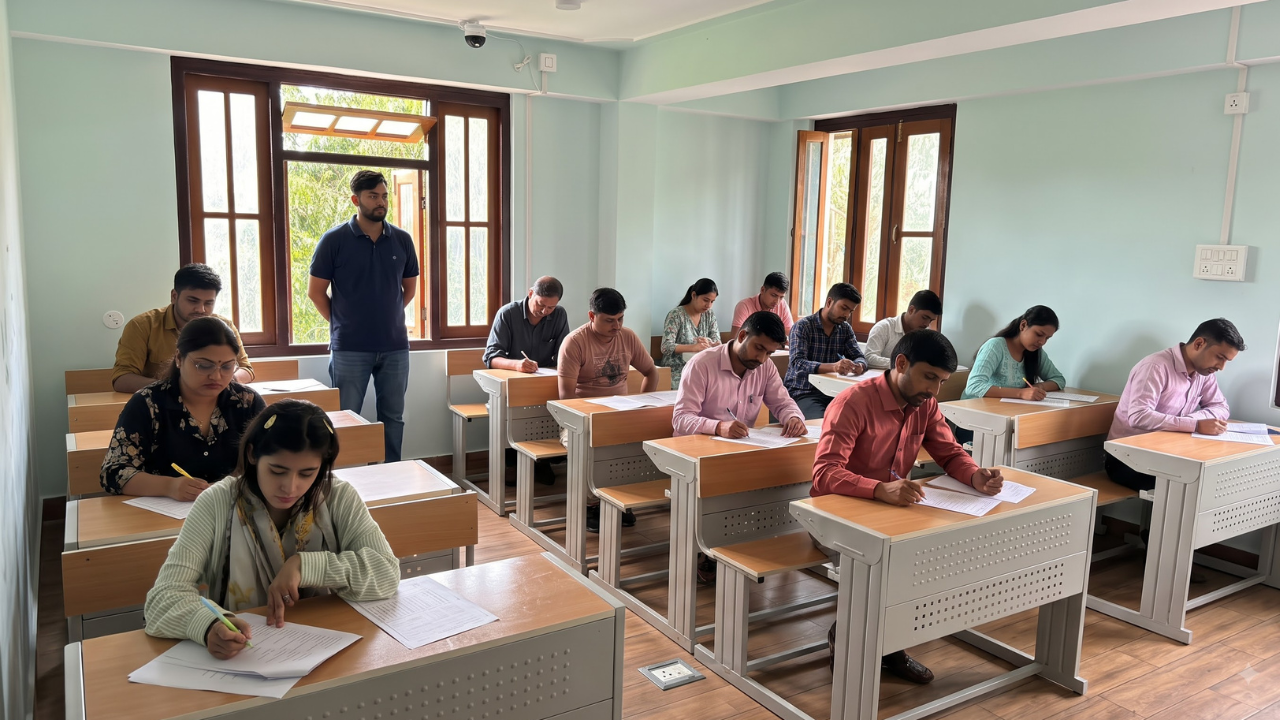
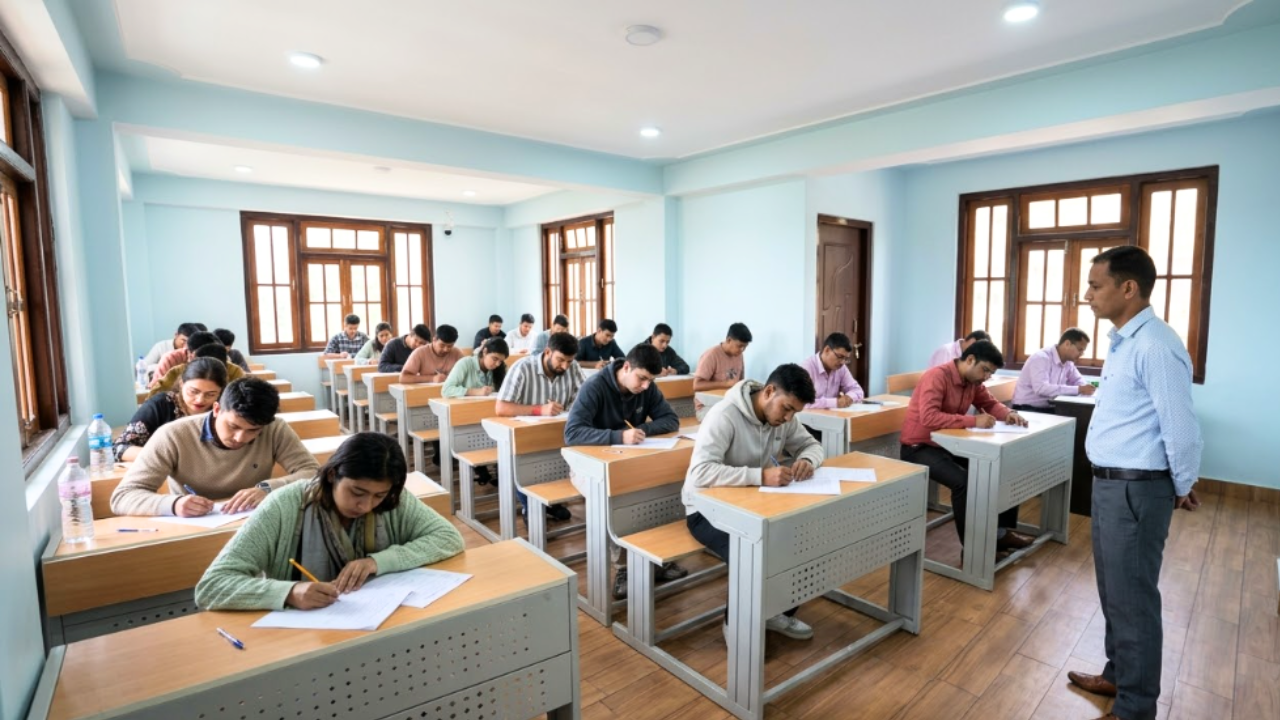
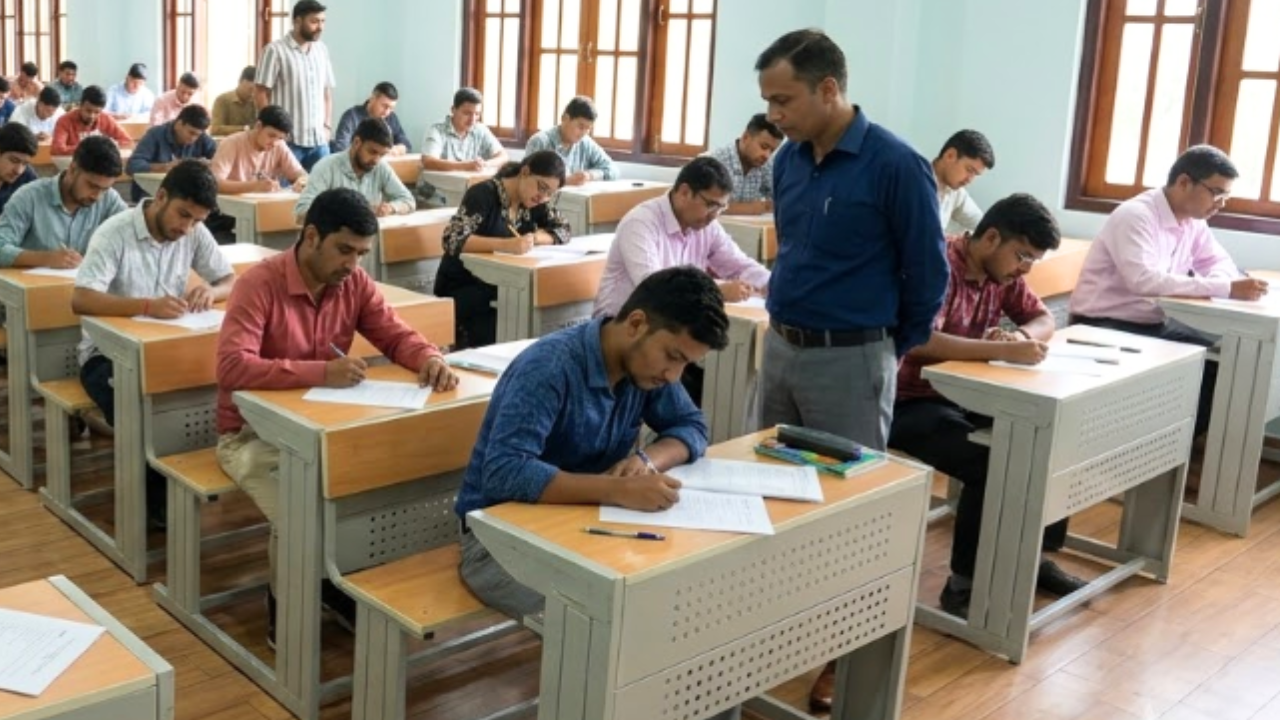

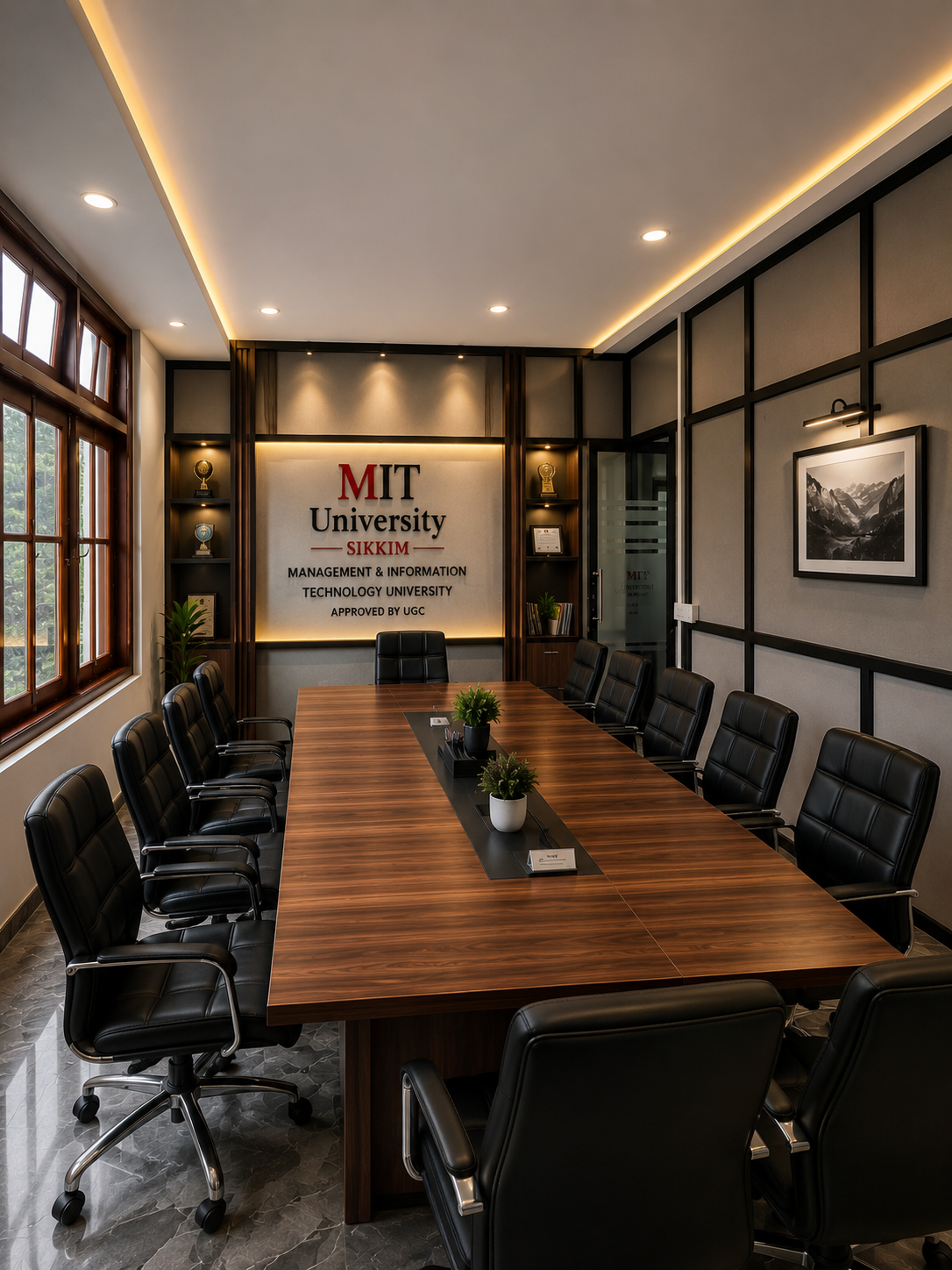
Campus & Infrastructure
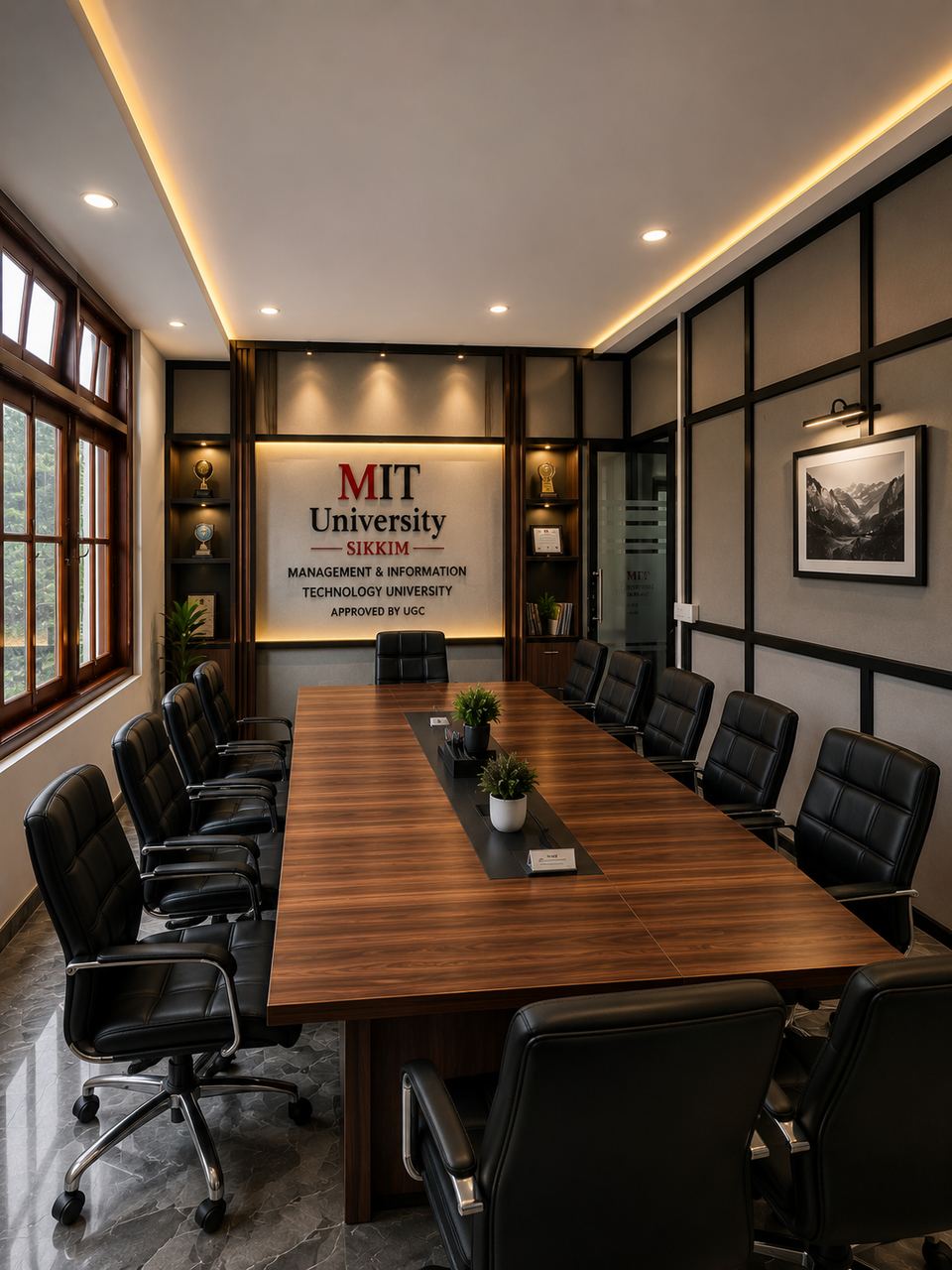
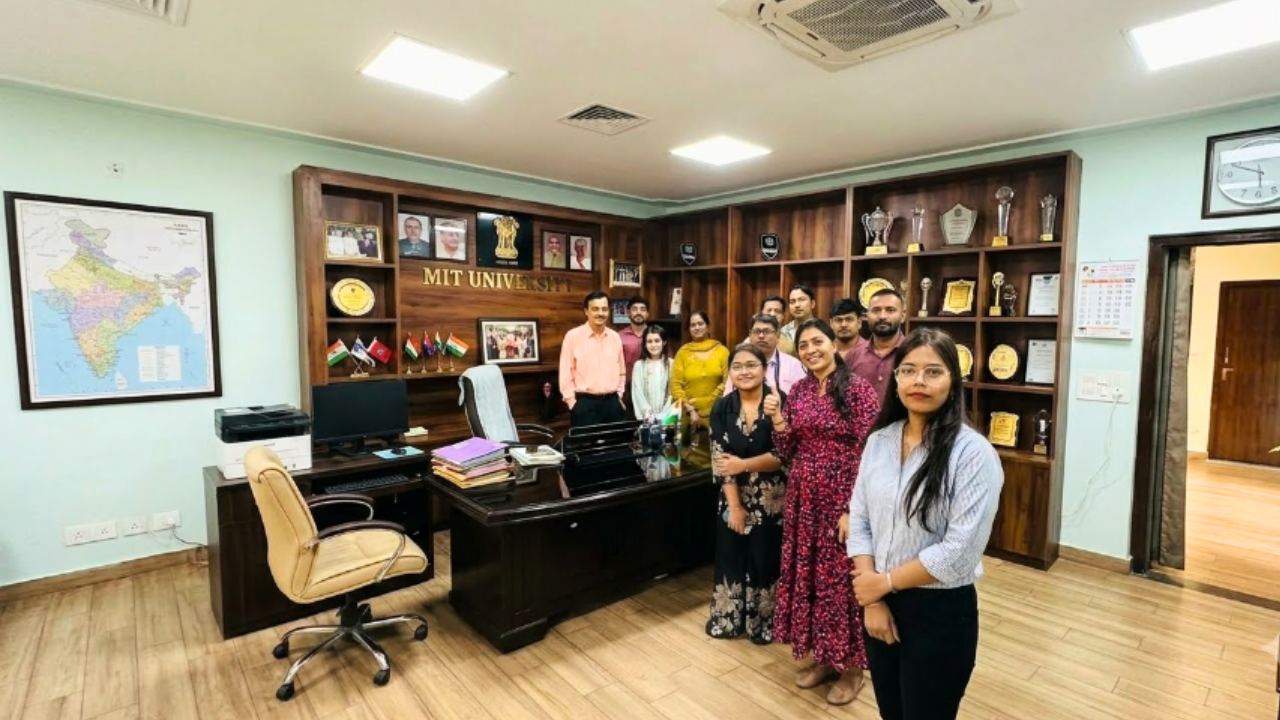
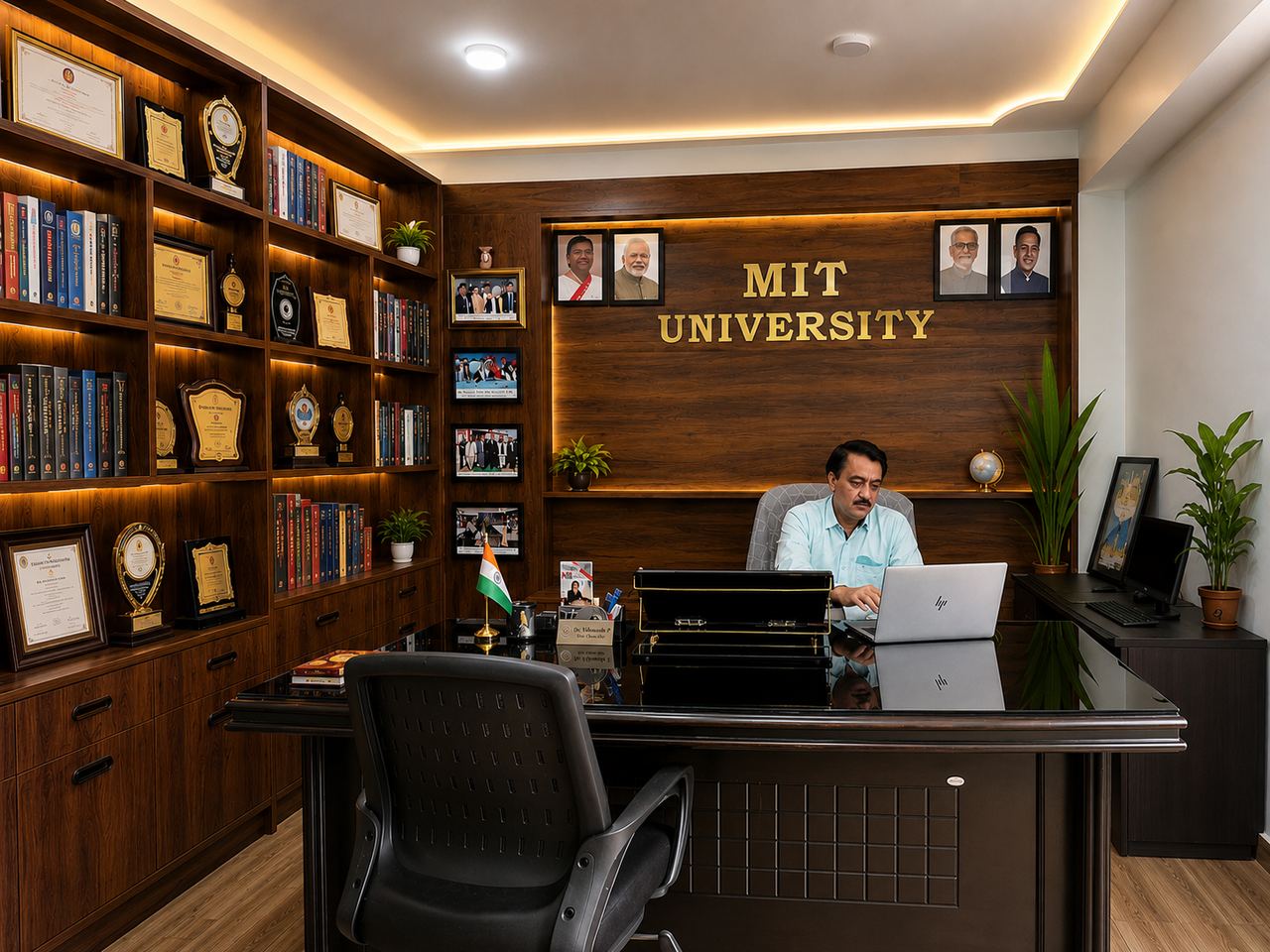
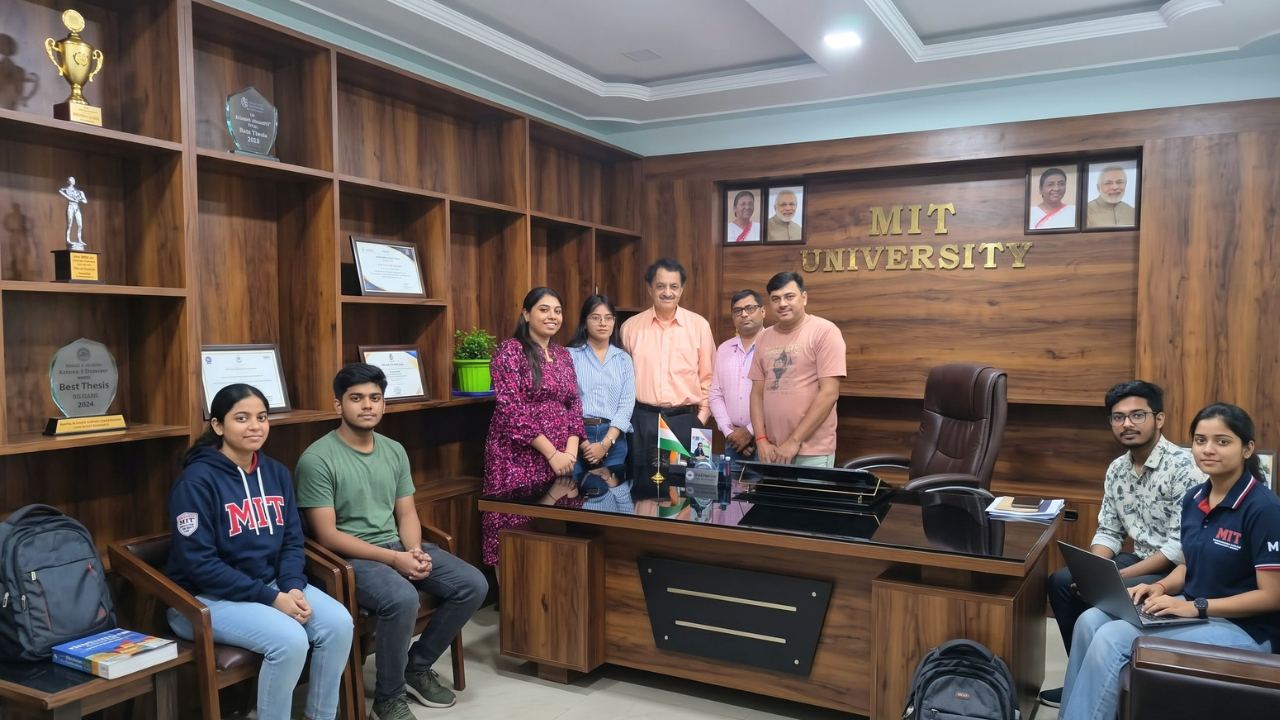
Classrooms in Session
Leadership & Governance
University Events
Student Life
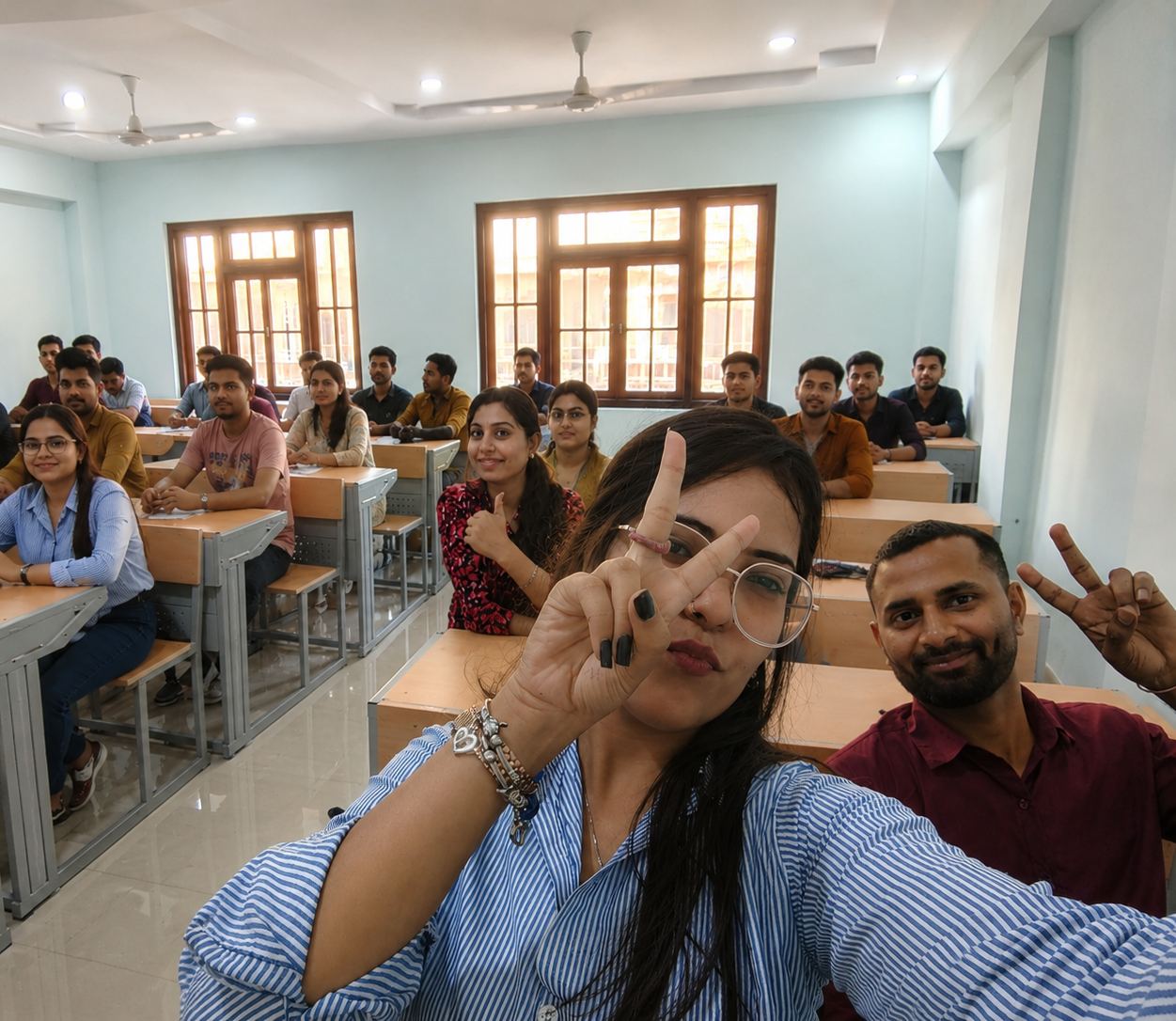
Photographs reflect the university's facilities and activities at the time they were taken. Click any photo to view it larger.
What You'll Receive
Sample Certificates & Documents
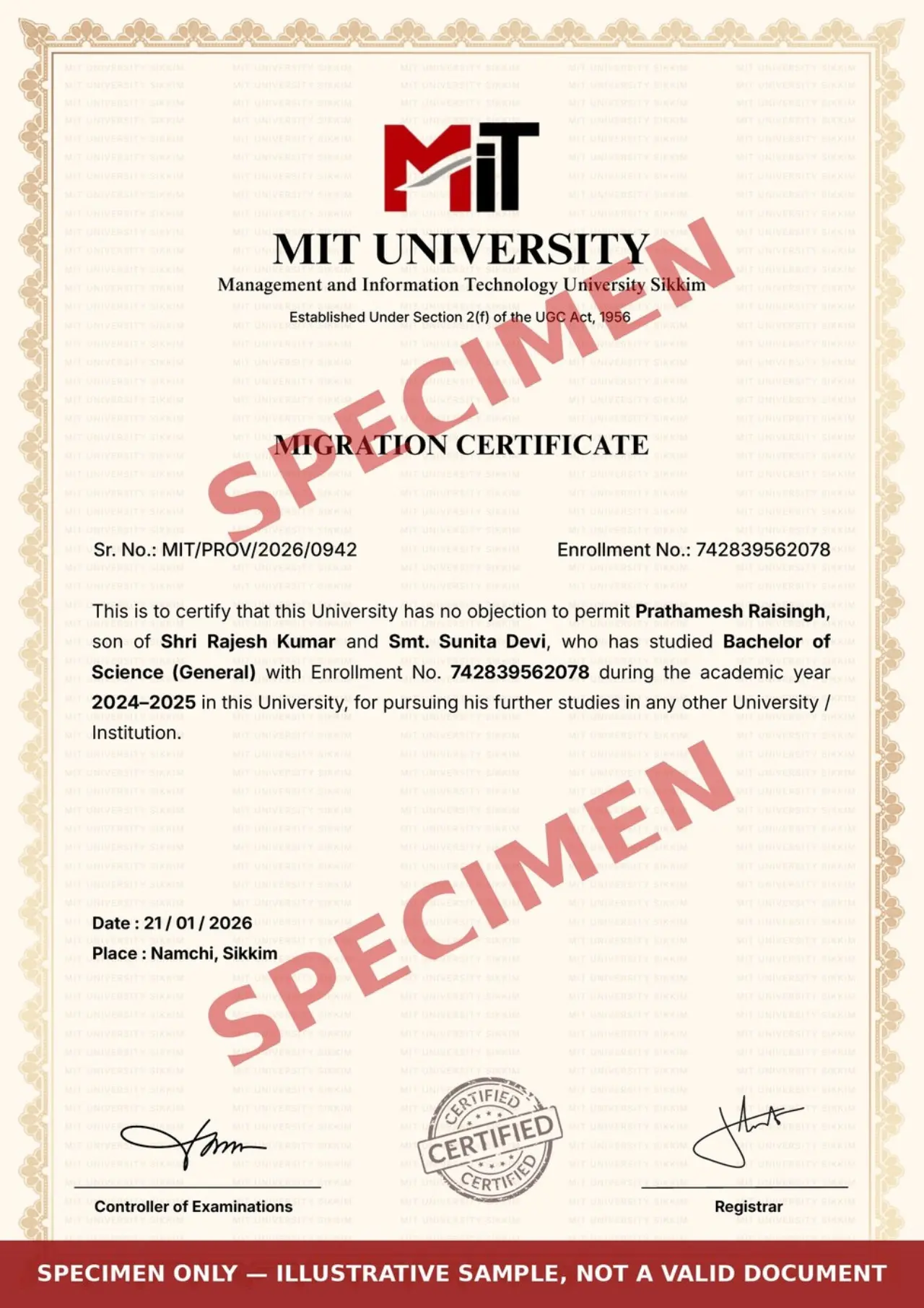
The actual document designs used at MIT University Sikkim, so you know what to expect for MSc Nutrition & Dietetics. Every specimen below is watermarked and carries placeholder data — none of these are real, valid, or issued documents. Your own documents will carry your details, an authenticated seal, signature and security features.
Sample Certificate — Short-Term / Certificate Programme
The actual certificate design used for MIT University Sikkim's short-term and certificate-track programmes (e.g. 6-month certificate courses).
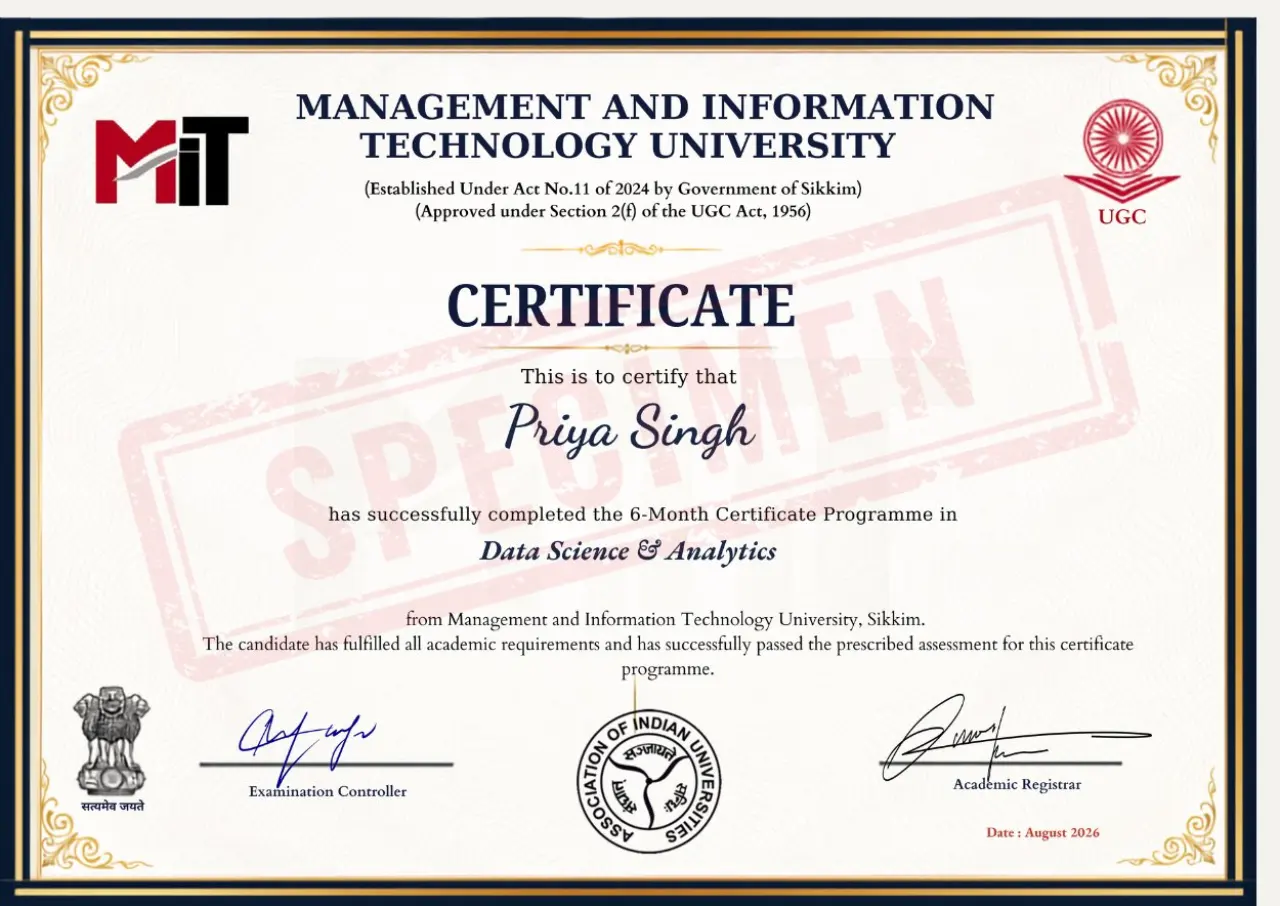 Actual Design
Sample Marksheet — Statement of Marks
The actual statement-of-marks design used at MIT University Sikkim, issued each semester with subject-wise marks and grade point. Layout shown; your own MSc Nutrition & Dietetics subjects will appear on your marksheet.
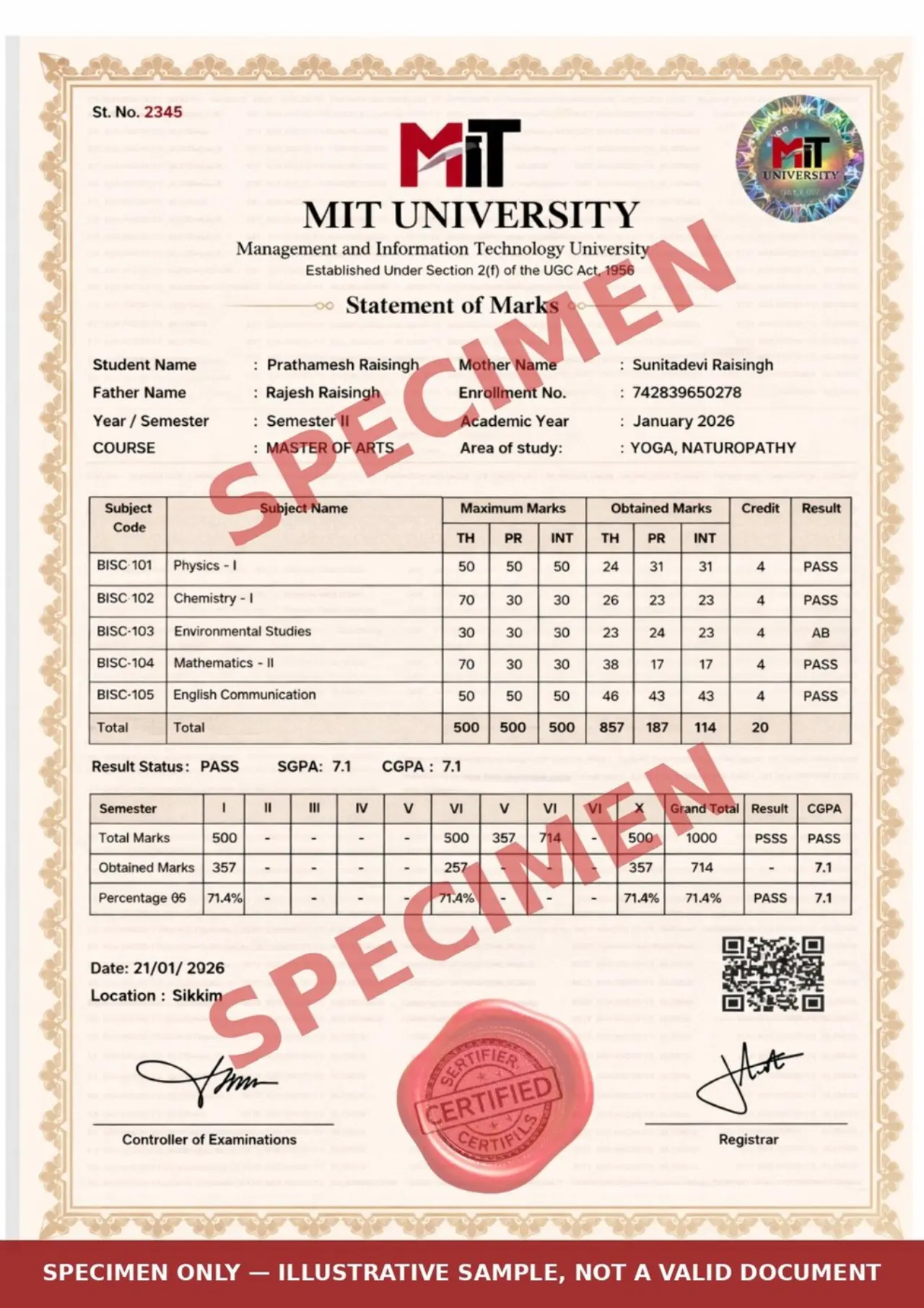 Actual Design
Sample Degree — Provisional Degree Certificate
The actual provisional degree certificate design, issued on successful completion of a full programme, ahead of formal conferment at Convocation.
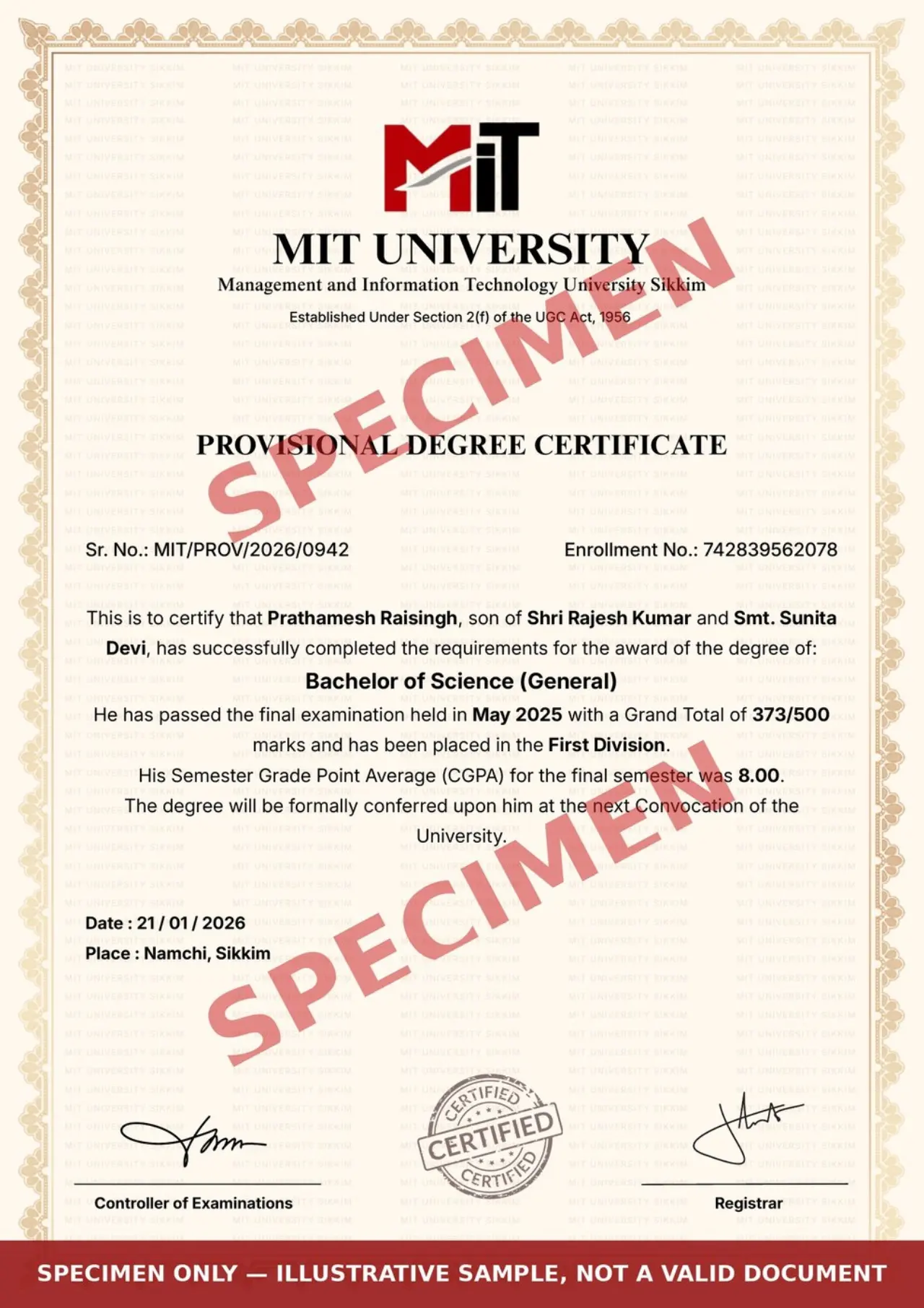 Actual Design
Sample Migration Certificate
The actual migration certificate design, issued on request when a student moves to another university or institution.
 Actual Design
Admissions 2026–27
Ready to explore MSc Nutrition & Dietetics?
A 2-year MSc in nutrition & dietetics. Fully itemised ₹1,30,000 fee, course-specific syllabus, and honest career guidance. Talk to a counsellor before you decide.